A compact matching puzzle about order and spatial planning
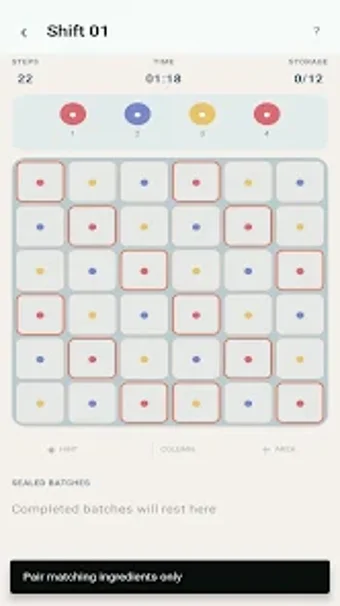
Pair identical ingredients on a shifting glass workbench to seal jam batches and deliver them in the exact recipe order, a core loop that drives each session. 9sssJam comes from TheaThea and targets casual Android players with short play sessions. Key elements include three limited storage containers, limited-use reveal and clear tools, and progressively changing shelf patterns. Players who enjoy logic and spatial planning get the most from this offline-first puzzle experience.
What kind of game is 9sssJam?
9sssJam is a puzzle game built around a matching loop: match identical ingredients on a dynamic workbench to form sealed batches, then send them out in the sequence shown on recipe cards. The match-and-deliver cycle replaces pure speed with order management, and local progress saving ensures each short session picks up where you left off. The combination of pairing plus ordered delivery frames every level as a small planning problem.
Does it have varied mechanics or modes that change play?
The game layers mechanics rather than modes: players manage three storage containers to hold early batches, use limited tools to reveal pairs or clear columns, and face new shelf patterns across progressive chapters. These elements force decisions about which matches to make now and which to stash, turning a typical match puzzle into a constrained logistics task. Offline play keeps those mechanics available without accounts or online services.
What does the game look and sound like?
The interface centers on a glass workbench that changes layout as chapters progress, designed for touch interaction on Android. Visuals focus on clear ingredient tiles and readable recipe cards so spatial arrangement matters. Audio is not detailed in the source notes, but the emphasis on touch-optimized controls and local performance suggests the interface prioritizes clarity and low resource use on mobile devices.
Is it approachable and replayable for casual players?
Onboarding leans light: progressive chapters introduce new shelf patterns rather than long tutorials, so learning comes from early levels. Replay value stems from demanding order fulfillment and three-container constraints that shift strategy between runs. The game’s privacy-first, no-account design and offline availability make it convenient for short, repeated sessions for players who prefer thoughtful puzzles over reflex-based matches.
Who should play 9sssJam and what to expect
9sssJam suits casual puzzle players who prefer deliberate planning and short sessions, especially those who value offline play and no account requirements. Expect a steady increase in spatial complexity across chapters rather than fast-paced action, so players seeking high-speed reflex challenges may find its pace too measured. For logic-focused mobile play, it offers a quiet, privacy-conscious pocket puzzle experience.